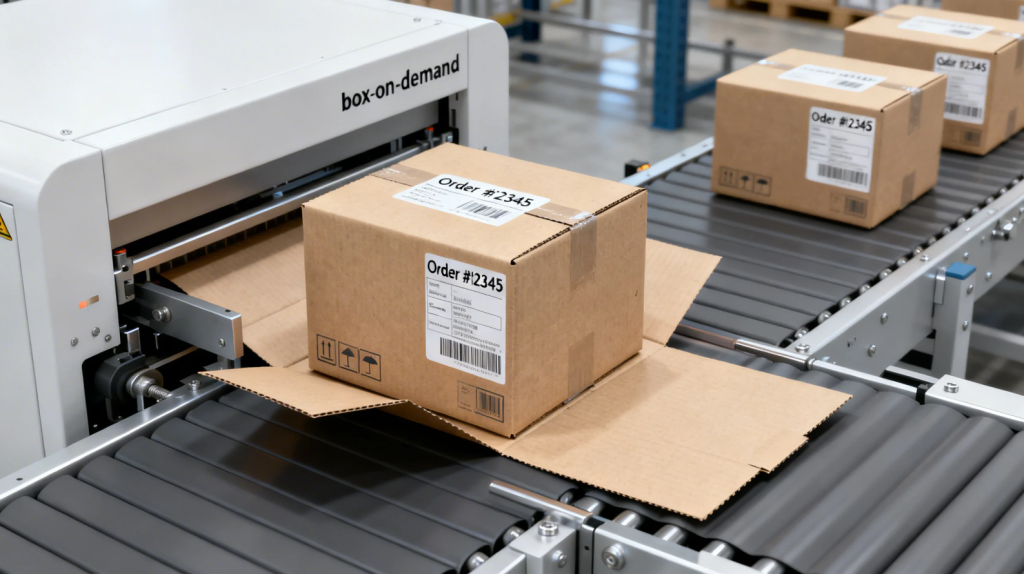

WMS vs Manual Warehouse Management: What is the Differences
Warehouse operations form the backbone of supply chain performance. How inventory is tracked, stored, and fulfilled directly affects delivery speed, accuracy, and operational cost. Many businesses begin with manual warehouse processes because they are simple and require minimal investment. However, as order volumes grow and SKU counts increase, manual systems often struggle to maintain control.
Understanding the difference between a warehouse management system (WMS) and manual warehouse management helps organizations determine which approach best supports efficiency and long-term growth.
How Manual Warehouse Management Operates
Manual warehouse management relies on paper records, spreadsheets, and employee coordination to track stock and fulfill orders. Inventory movements are recorded by hand and updated into files, often after the physical task is completed.
This method may work for small operations with limited complexity. Teams may rely on experience to remember product locations and stock levels. However, manual systems depend heavily on human accuracy and consistency.
Common characteristics of manual warehouses include:
Paper-based receiving and picking lists
Spreadsheet inventory tracking
Physical stock counting for verification
While manageable at low volumes, manual processes become increasingly difficult as operations expand. Errors are more likely when documentation is delayed or incomplete, and visibility across departments is limited.
What a Warehouse Management System Provides
A warehouse management system digitizes daily operations and centralizes inventory data. Every movement—receiving, putaway, transfer, picking, and shipping—is recorded in real time through barcode scanning or mobile devices.
Instead of writing information on paper, a WMS creates structured workflows. The system guides employees step by step, ensuring tasks are completed according to defined processes.
By standardizing operations, a WMS reduces reliance on individual knowledge and improves overall operational discipline. A WMS typically delivers:

Real-time inventory visibility
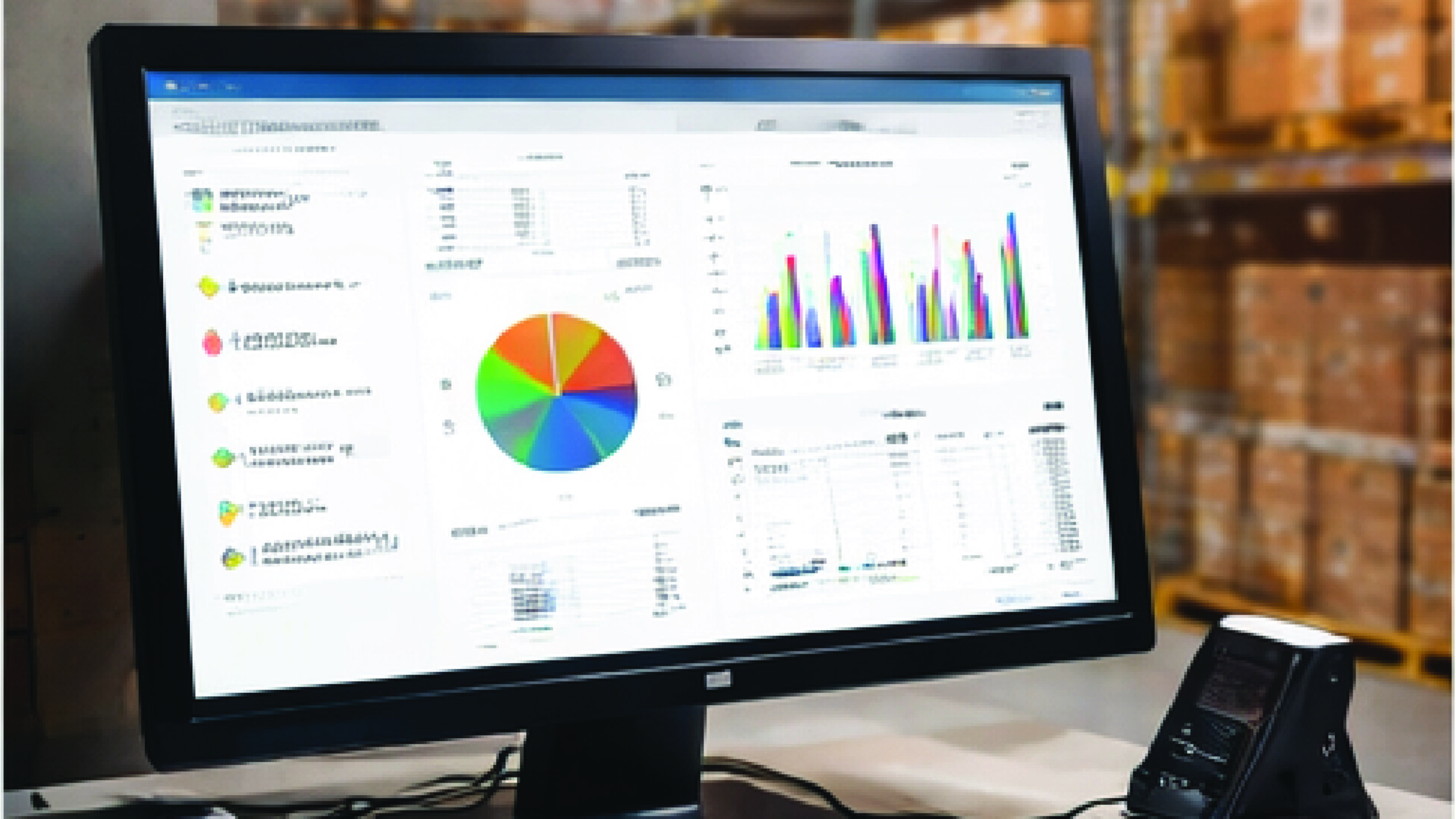
Defined location and bin management

Automated task assignment

Guided picking and optimized routes
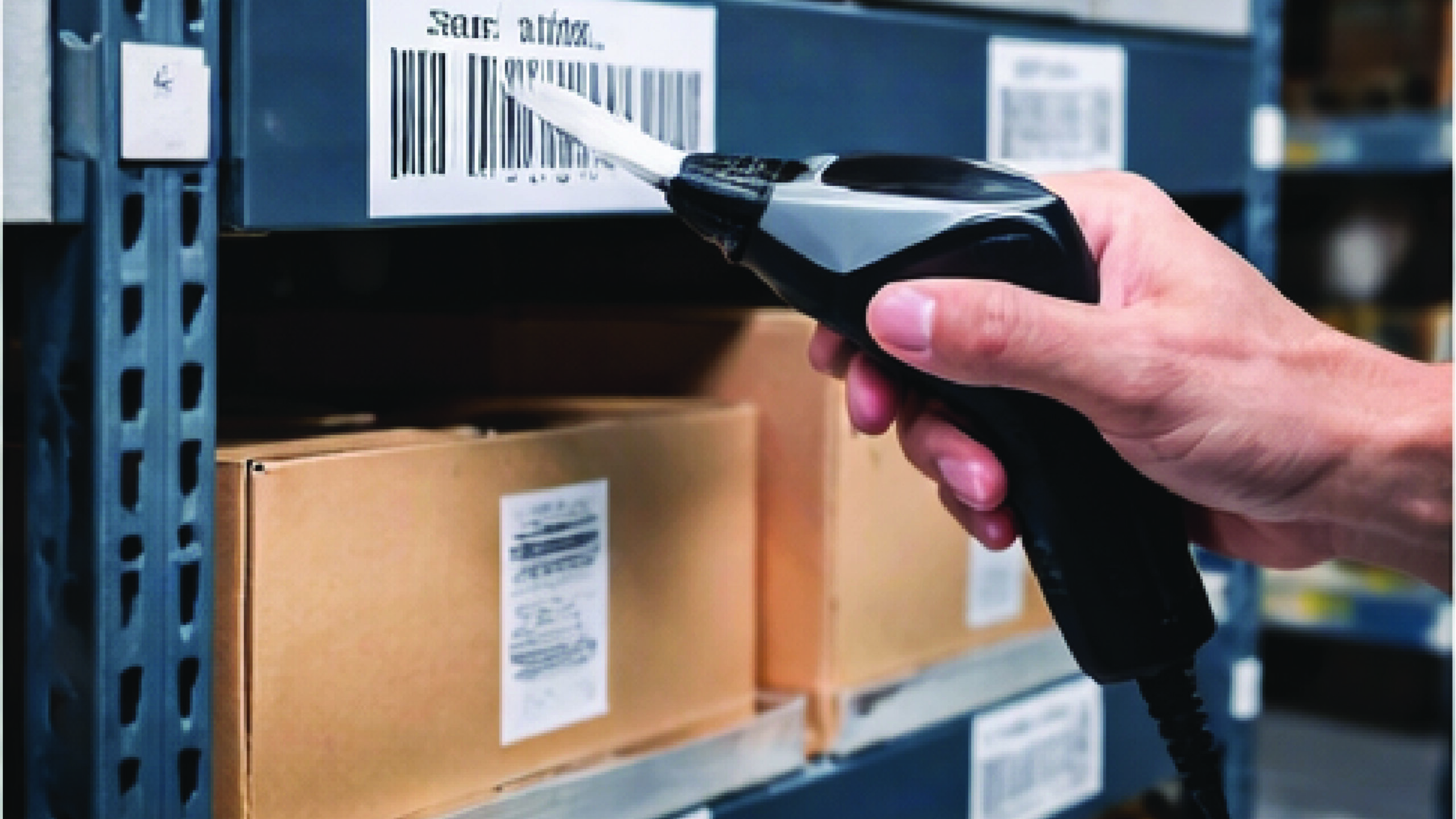
Performance reporting and analytics
Controlled user access and audit tracking

Inventory Accuracy and Control
Manual Warehouse:
- Stock updates delayed
- Counting errors common
- Risk of stockouts and overstock
WMS:
- Real-time inventory tracking
- Barcode validation
- Higher data accuracy
Operational Efficiency and Workflow Control
Manual Warehouse:
- Paper-based pick lists
- Slower order processing
- Limited task visibility
WMS:
- Digital task assignment
- Optimized picking routes
- Real-time performance monitoring
Scalability and Workforce Management
Manual Warehouse:
- Hard to manage growth
- Higher error rate with volume
- Training depends on experience
WMS:
- Structured workflows
- Supports higher transaction volume
- Easier staff training
Cost and Long-Term Value
Manual Warehouse:
- Hidden operational costs
- More labor required
- Higher risk of costly errors
WMS:
- Lower error-related costs
- Improved productivity
- Better long-term operational control
Real-World Impact — Why Businesses Move from Manual to WMS?
usinesses switching from manual warehouse vs WMS operations typically experience:
✅️
Fewer stock discrepancies
✅️
Faster fulfillment times
✅️
Reduced operational costs
✅️
Reduced operational costs
As order volume increases, manual tracking becomes a bottleneck — while WMS enables growth.
Choosing the Right Approach
The decision between WMS and manual warehouse management depends on business size, complexity, and growth plans.
Manual processes may be suitable for small warehouses with stable order volumes and limited SKU variety. However, as operations grow, maintaining accuracy and efficiency becomes increasingly difficult without digital control.