Picking Takes Too Long? How to Improve Warehouse Efficiency in Philippines
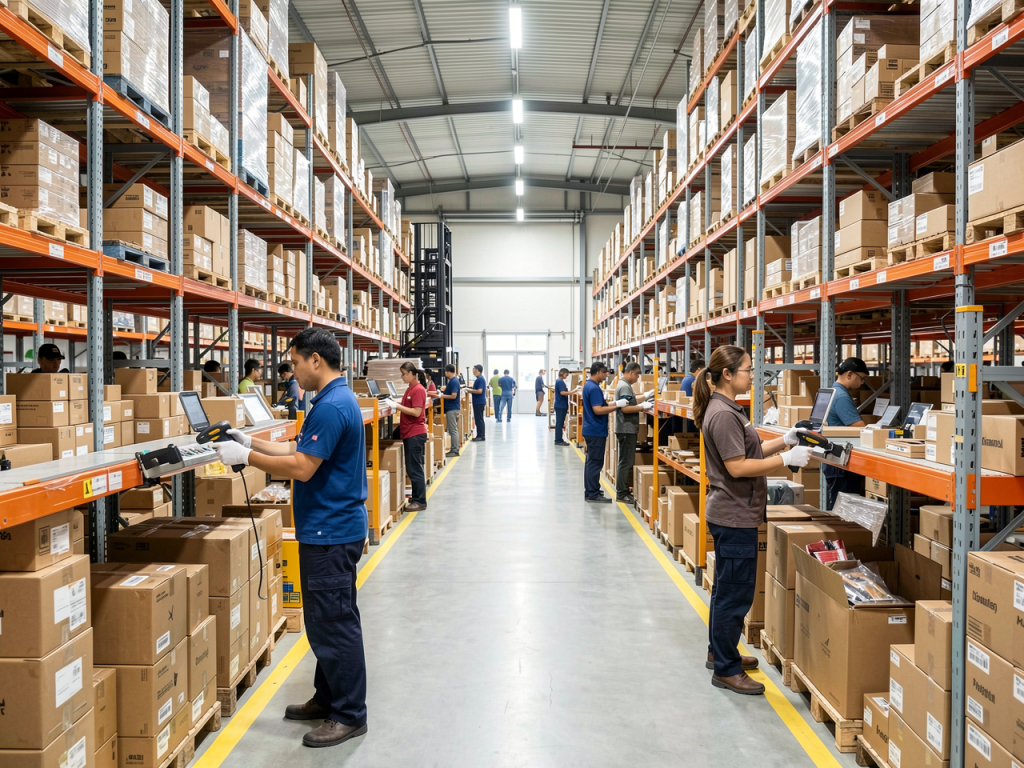
In today’s competitive logistics environment, warehouse supervisors are constantly looking for ways to improve warehouse efficiency, especially when picking takes too long and shipment delays start affecting customer satisfaction. Slow picking speeds increase labor costs, reduce throughput, and create operational bottlenecks that ripple across the entire supply chain.
This guide explains practical picking strategies that directly help improve warehouse efficiency by reducing travel time, increasing pick rates, and creating a more structured workflow.
Introduction: Why Picking Speed Matters to Improve Warehouse Efficiency
If you’re responsible for operations, one of your top priorities is to improve efficiency without increasing headcount. However, long picker walking distances, poor order grouping, and inconsistent workflows often stand in the way.
The good news? With the right picking methods and warehouse management support, you can improve warehouse efficiency significantly while maintaining high accuracy and scalability.

Before You Start — Preparation to Improve Warehouse Efficiency
Before implementing new picking methods to improve warehouse efficiency, make sure these foundations are in place:
Warehouse Layout Audit – Identify travel bottlenecks and inefficient slotting.
Inventory Accuracy Check – Accurate data is critical to improve warehouse efficiency and avoid mispicks.
Order Pattern Analysis – Understand SKU velocity and peak order times.
System & Equipment Readiness – Ensure scanners and WMS are configured correctly.
Team Training – Staff must understand updated workflows to truly improve warehouse efficiency.
Strong preparation ensures your improvement efforts deliver measurable gains instead of operational disruption.
Step-by-Step Picking Methods to Improve Warehouse Efficiency
Step 1: Batch Picking
What it is: Batch picking consolidates multiple orders into a single picking run, drastically reducing redundant travel. (Source)
Benefits:
Cuts walking distance by up to 40–60% compared to single-order picking. (Source)
Boosts labor productivity and throughput.
Best For: Warehouses with many small, similar orders.
Consideration: Requires sorting after picking.
Step 2: Wave Picking
What it is: Wave picking groups orders into scheduled waves — often aligned with shipping deadlines — so pick tasks are released in batches throughout the day. (Source)
Benefits:
Structured workflow with reduced idle time.
Better alignment with carrier cutoffs and shift scheduling.
Best For: Medium to large warehouses handling time-sensitive shipments.
Consideration: Requires WMS planning tools.
Step 3: Zone Picking to Improve Warehouse Efficiency
What it is: Zone picking assigns pickers to specific areas of the warehouse, reducing overall travel and improving area specialization.
Benefits:
Lower congestion and smoother workflows.
Increased accuracy due to zone familiarity.
Best For: Warehouses with wide SKU diversity.
Consideration: Needs order consolidation between zones.
Common Mistakes That Prevent You from Improving Warehouse Efficiency
Even the best strategies fail if these issues aren’t addressed:
Ignoring inventory accuracy
Poor route sequencing
Inadequate staff training
Using only one picking method regardless of order type
Avoiding these mistakes ensures your initiatives truly improve warehouse efficiency rather than create new bottlenecks.
Tips for Better Results (Expert Tips)
Here are practical enhancements to consider:
Leverage WMS Analytics: Monitor travel distance and picking time KPIs to benchmark improvements.
Combine Methods Smartly: Hybrid approaches (e.g., wave-based batching) can unlock further gains. (Source)
Slot High-Velocity SKUs Forward: Reduce picker travel by placing high-demand items closer to packing.
Schedule Regular Reviews: Continuous improvement keeps efficiency gains sustainable.
Train on Technology Features: Teach pickers how to use barcode scanning, pick lists, and route optimization tools.
How PayRecon Helps
PayRecon WMS supports all three picking strategies — batch, wave, and zone — with powerful planning and operational controls:
Dynamic Picking Mode Switch: Managers can tailor picking methods based on real-time order profiles and worker availability.
Optimized Pick Routes: Smart pathing reduces travel time per order.
Real-Time Inventory Tracking: Keeps records accurate and minimizes mispicks.
Performance Dashboards: See where time is spent and pinpoint bottlenecks for continuous efficiency improvements.
With PayRecon WMS, warehouses can improve efficiency without major capital expenditure and adapt quickly as demand patterns change.

Conclusion
When picking takes too long, the key to improving warehouse efficiency lies in choosing the right picking strategies — and supporting them with solid systems, planning, and training. Batch, wave, and zone picking methods each have unique strengths and can dramatically reduce travel time, cut labor costs, and improve throughput when applied appropriately.
Ready to transform your warehouse picking performance? Contact PayRecon today to see how our WMS solutions can help you implement these efficiency-enhancing strategies with minimal disruption.