Warehouse Bottlenecks: How They Slow Operations and How to Fix Them
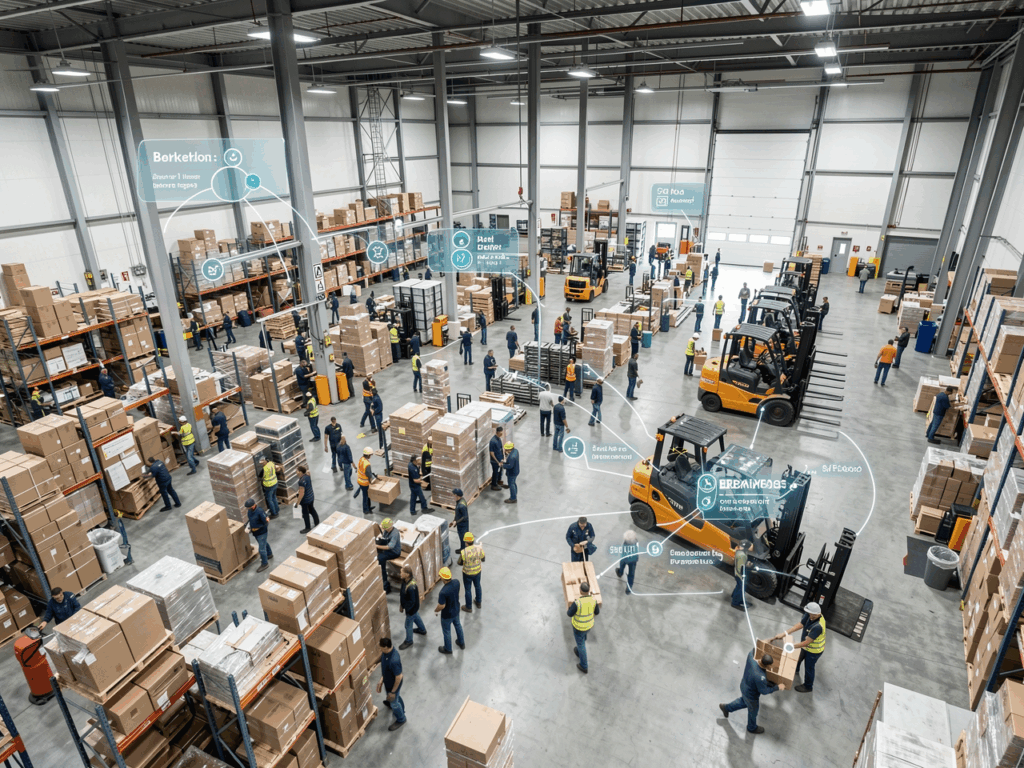
Warehouse bottlenecks are a major challenge for operations managers, reducing efficiency, slowing order fulfillment, and increasing operational costs. Identifying and resolving these operational slow points is essential to maintain smooth workflows and meet customer expectations. In this guide, we provide actionable steps to pinpoint, address, and prevent warehouse bottlenecks effectively.
Before You Start (Preparation)
Before tackling warehouse bottlenecks, make sure you have:
Operational data: Track order processing times, picking/packing speeds, and shipment turnaround. Tools like PayRecon WMS or spreadsheets can help.
Warehouse layout and flow maps: Visualize where congestion or delays occur.
Team input: Staff on the floor often notice bottlenecks before management.
Tools: Warehouse management software (WMS) or simple workflow trackers to monitor processes.
Proper preparation ensures your actions target true warehouse bottlenecks, not just symptoms.
Step-by-Step Guide:
Observe and collect data to find areas where work slows down the most—picking stations, packing zones, or receiving docks are common examples. Use warehouse KPI metrics to support your analysis.
Understand why the bottleneck exists. Frequent causes include understaffing, inefficient layout, outdated equipment, or manual processes that slow throughput.
Focus on bottlenecks that have the largest impact on operational efficiency and customer satisfaction.
Reorganize warehouse layout for smoother workflow
Allocate additional staff or automate repetitive tasks
Upgrade equipment or adopt a WMS to streamline operations (e.g., PayRecon WMS)
After implementing changes, track KPIs to confirm improvements. Warehouse bottlenecks can shift over time, so continuous monitoring is key to sustained efficiency.
Common Mistakes to Avoid
Addressing only symptoms instead of the root cause of warehouse bottlenecks
Ignoring frontline staff feedback
Implementing technology without proper training
Failing to monitor metrics after changes
Avoiding these mistakes ensures your solutions are sustainable and impactful.
Tips for Better Results (Expert Tips)
Start with the most frequent or disruptive warehouse bottleneck first
Keep processes flexible to handle seasonal peaks
Use visual tracking tools like Kanban boards to improve workflow visibility
Regularly review KPIs such as order cycle time, pick/pack speed, and error rates
These tips help maintain efficiency while preventing new warehouse from forming.
How PayRecon Helps
PayRecon WMS automates manual processes, provides real-time analytics, and highlights warehouse bottlenecks before they affect operations. Features like task allocation, automated picking, and warehouse flow optimization help teams operate faster and more accurately. Learn more about PayRecon WMS here: https://www.payrecon.ph/
Conclusion: Warehouse Bottleneck
Warehouse bottlenecks are inevitable in any growing operation, but they don’t have to slow you down. In my experience, the most effective improvements come from combining data-driven insights, team feedback, and modern WMS solutions. By addressing bottlenecks proactively, you can maintain operational efficiency, reduce costs, and improve customer satisfaction.
If you want to see how PayRecon can help your warehouse eliminate bottlenecks and optimize operations, contact PayRecon today to learn more and request a demo.