Bukku POS vs Traditional POS: Which One Is Better for Your Business?
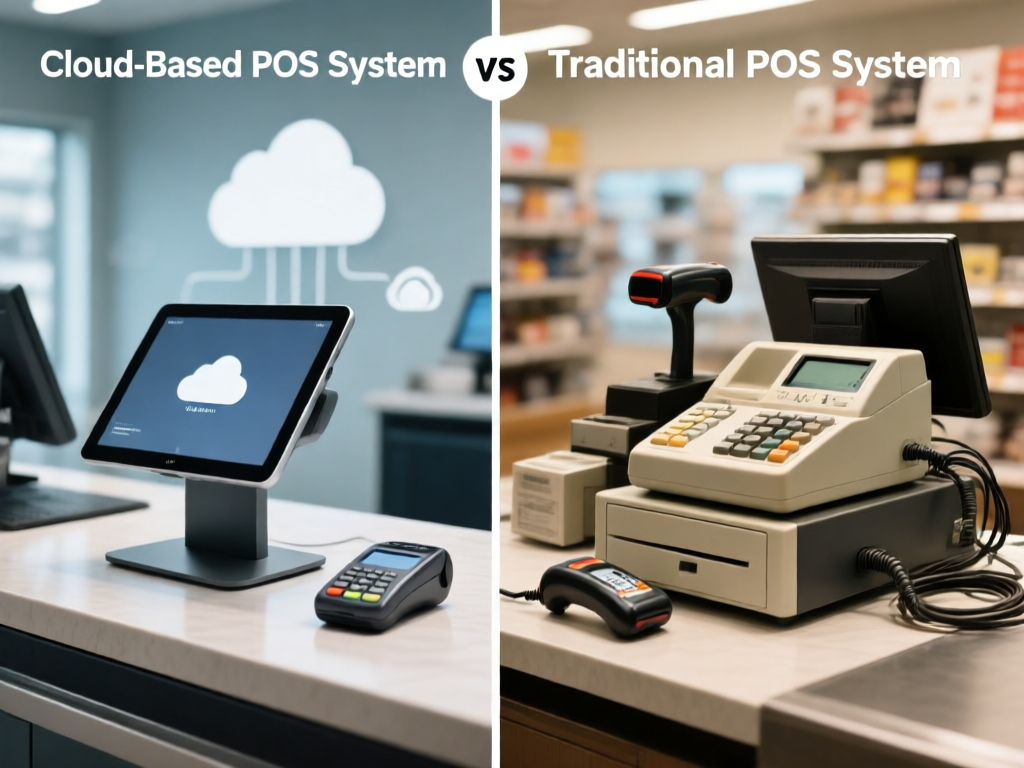
Choosing the right point-of-sale system can make or break your business operations — especially when your sales volume grows, you add new outlets, or you need better control over your inventory and accounts. That’s why comparing Bukku POS with traditional POS systems matters. Both approaches serve different business needs, and understanding the differences helps you decide wisely.
In this article, you’ll get a clear, well-structured comparison — without needing to dig through multiple sites. You’ll learn what Bukku POS offers, how traditional POS differs, and which option aligns best with your business goals. This is especially useful for Malaysian SMEs evaluating digital transformation tools.
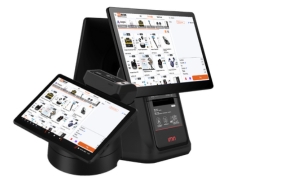
Bukku POS (Cloud-Based POS System)
Bukku POS is the cloud-based POS solution from Bukku, built to handle sales transactions, inventory tracking, and financial reporting — all accessible from mobile devices, tablets, or laptops. It’s part of the broader Bukku ecosystem, integrating POS with accounting and e-invoicing.
Bukku POS is ideal for:
Retail shops (convenience stores, minimarts, lifestyle stores)
Café, small F&B, kiosks, small restaurants
Service-based businesses (salons, repair shops, small studios)
Any business requiring accounting integration, SST/e-invoice compliance, or digital bookkeeping
Businesses that plan expansion or operate multiple outlets
Teams needing real-time data and remote oversight
It’s especially attractive to micro-SMEs because Bukku MiniPOS (part of Bukku POS offering) is promoted as free or low-cost, lowering entry barriers. bukku.my+1
You can check more details on Bukku’s official site: Bukku for SMEs – POS & Accounting Overview bukku.my
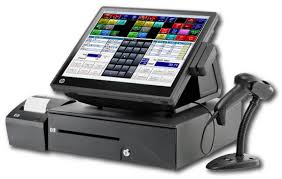
Traditional POS (Hardware-Driven Approach)
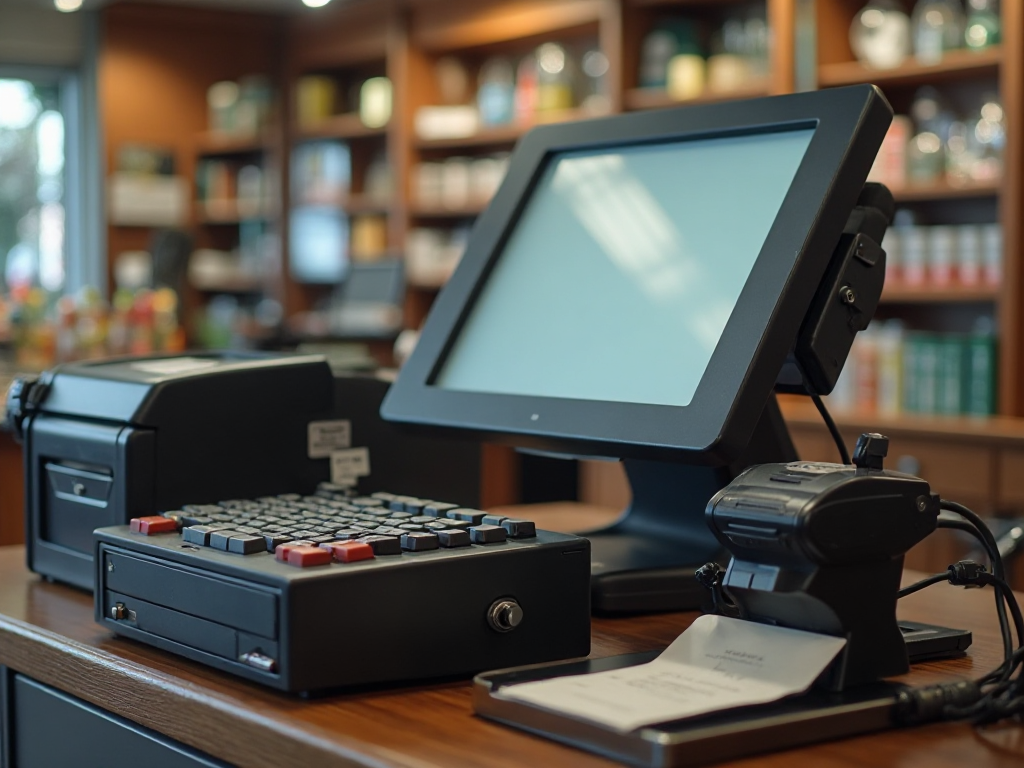
A traditional POS system usually involves local hardware: cash registers or dedicated POS terminals, plus possibly a receipt printer. Data is stored locally rather than in the cloud. Functionality tends to focus on simple sales recording and receipt issuance.
Traditional POS systems typically serve:
Small shops with limited inventory and low transaction volume
Businesses that prefer a one-time cost rather than subscriptions
Single-outlet operations without plans for expansion or multi-branch management
Owners who only require basic sales tracking and printed receipts
For very simple operations — like a roadside stall, micro-retail kiosk, or a tiny convenience shop — traditional POS may feel sufficient.
Comparison Table (Cloud-Based POS System Vs Traditional POS System)
Summary: Bukku POS is best suited for growing, dynamic businesses; traditional POS may suffice for very small, static shops.
Pros & Cons of Bukku POS (Cloud-Based System) & Traditional POS (Legacy Hardware-Based System)
Bukku POS (Cloud-Based System)
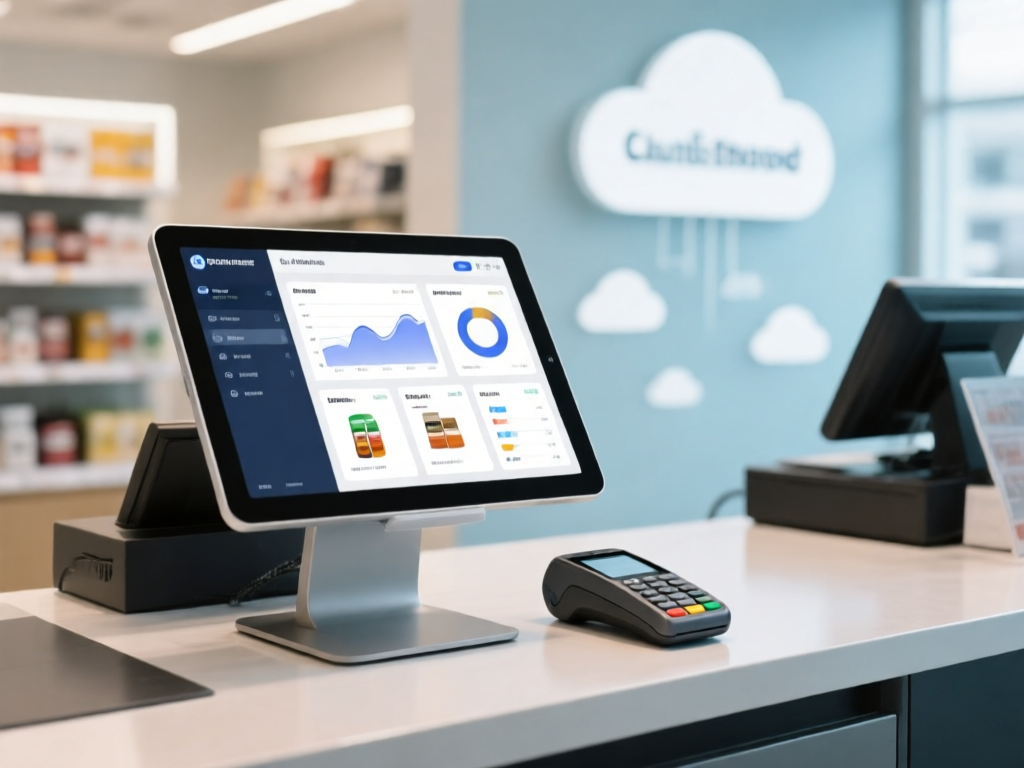
Strengths
-
Cloud backup reduces risk of data loss
-
Real-time inventory & sales sync across outlets or devices
-
Automated reporting and e-invoicing — saves bookkeeping time and helps compliance
-
Low entry cost (miniPOS free for micro-SMEs)
-
Flexibility — works on mobile devices, tablets, laptops; good for stalls, pop-ups, flexible shops
Weaknesses
-
Requires internet — offline operation may be limited or require extra setup
-
For full accounting/features, there may be subscription fees (depending on usage)
-
For shops used to traditional hardware, staff may need retraining
Traditional POS (Legacy Hardware-Based System)
Strengths
Simple to understand — staff familiar with cash register + receipt printing
No subscription — once you buy hardware, you own it
Works without internet connection (reliable in areas with poor connectivity)
Weaknesses
No automatic accounting/inventory integration — manual work is needed
High risk of human error, stock miscounts, lost sales data
Hard to scale — adding outlets or managing multi-store inventory is cumbersome
No remote access; store owner must be physically present for oversight
No built-in compliance tools (e-invoice, SST) — more manual effort required
Which Option Should You Choose?
Has moderate to high transaction volume
Needs inventory management, stock tracking, multiple SKUs
Plans to expand to multiple outlets
Wants automated bookkeeping and e-invoice / SST compliance
Values remote management and real-time visibility
Wants to save time on manual administration and reduce human error
In short: Bukku POS is ideal for growing SMEs and businesses aiming for professional operational standards.
Has very low daily transaction volume
Operates only one outlet with simple product offerings
Is extremely cost sensitive and wants to avoid monthly fees
Does not require inventory tracking, multi-store sync, or remote monitoring
In short: Traditional POS suits micro-shops or very small merchants with minimal operations.
Conclusion
Choosing between a cloud-based POS and a traditional POS depends on how quickly your business plans to scale, the level of flexibility you require, and how much operational efficiency matters to your daily workflow. For most modern SMEs in Malaysia—especially those handling multiple sales channels, staff, or outlets—a cloud-based solution like Bukku POS generally offers stronger advantages in mobility, real-time data accuracy, scalability, and long-term cost efficiency.
Traditional POS systems may still work for very stable, offline-first environments, but they often lack the adaptability needed in today’s competitive retail and F&B landscape. From my perspective, businesses aiming to streamline operations, improve visibility, and future-proof their processes will gain more sustainable value from adopting a cloud-based POS system.
If you would like to learn more about POS (Cloud-Based System), feel free to contact us:
📞 +63 961 527 2591
📩 –Whatsapp Us Now