How WMS Will Transform Logistics Efficiency, Cost, and Accuracy in 2026
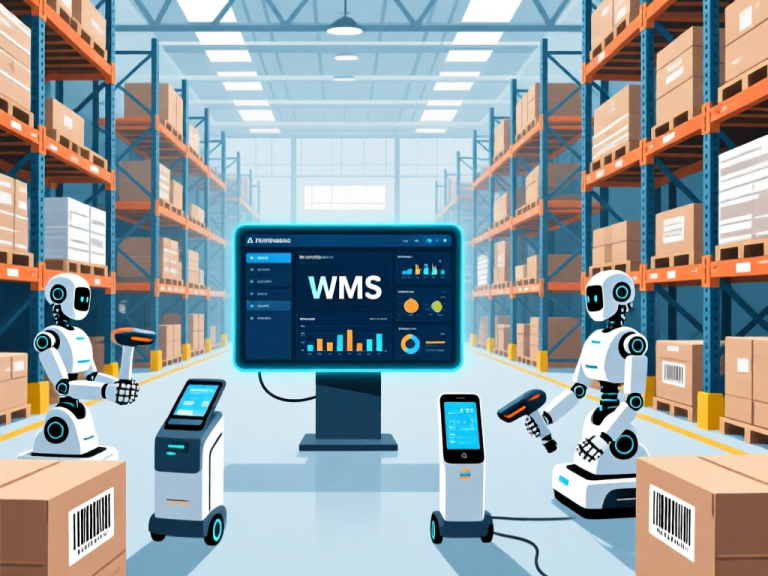
Introduction: Logistics Efficiency
In today’s fast-moving logistics efficiency world, warehouse teams face more pressure than ever. Orders move faster, item counts increase, and customers expect real-time updates. However, many warehouses still rely on paper, manual work, or outdated systems. This slows down operations and causes mistakes.
This is where a Warehouse Management System (WMS) changes everything. It gives teams real-time visibility, reduces errors, and makes warehouse operations smoother from inbound to outbound.
Why the Logistics Industry Can No Longer Operate Without WMS
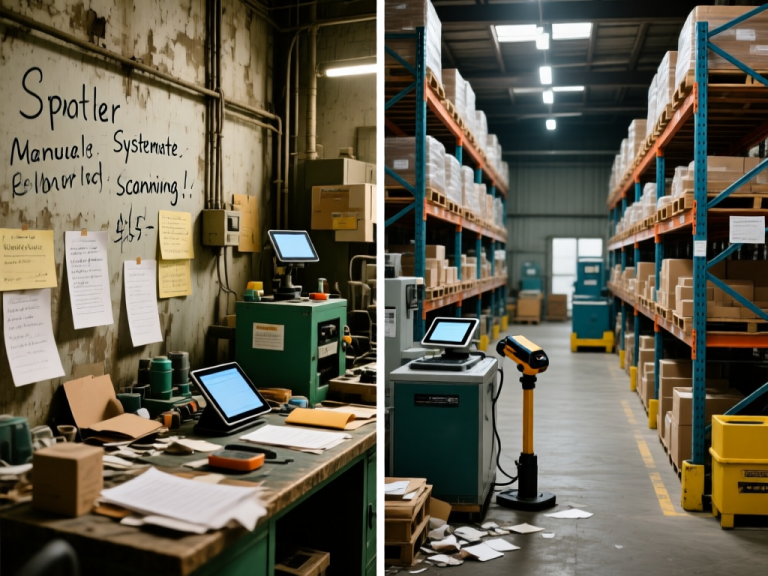
A modern warehouse needs more than manpower. It needs accuracy, speed, and coordination.
Without a WMS, teams often face:
- Lost or missing inventory
- Slow picking
- Repetitive manual entry
- Miscommunication between departments
As a result, operations become slow and costly. With a WMS, however, every movement is tracked and updated instantly. This ensures accuracy and helps teams plan better.
How WMS Solves Logistics Efficiency Pain Points
The Real Business Value WMS Brings
A WMS is not just a warehouse tool—it is a business decision.
It supports multiple departments:
- Warehouse teams get accurate inventory.
- Customer service gets real-time order updates.
- Finance sees accurate stock value.
- Management gets performance insights.
Because everyone uses the same source of truth, decisions become faster and more accurate.
2026 Trends — AI, Automation & End-to-End Visibility

As logistics continues to scale, companies now expect more than automation — they want prediction and full visibility. AI can help forecast demand trends, identify future hot-selling SKUs, predict congestion zones, and alert potential supply chain delays. Automation tools — such as AMRs, sorting machines, and conveyors — can work together with WMS to create semi- or fully automated warehouse operations.
The biggest trend is end-to-end visibility:
customers, warehouse teams, transport, and management all accessing the same real-time order and inventory updates. This improves customer trust and builds a stronger, more professional logistics efficiency ecosystem.
Conclusion & Contact Us
A warehouse without a WMS will always struggle with slow processes and costly errors.
However, with a strong WMS, teams gain real-time visibility, improved picking speed, and smoother operations from end to end.
This is how WMS transforms logistics efficiency into a faster, smarter, and more efficient workflow.
Contact Us for more information.