Best Warehouse Automation Software for 2026: What Actually Works for Modern Warehouses ?
Introduction
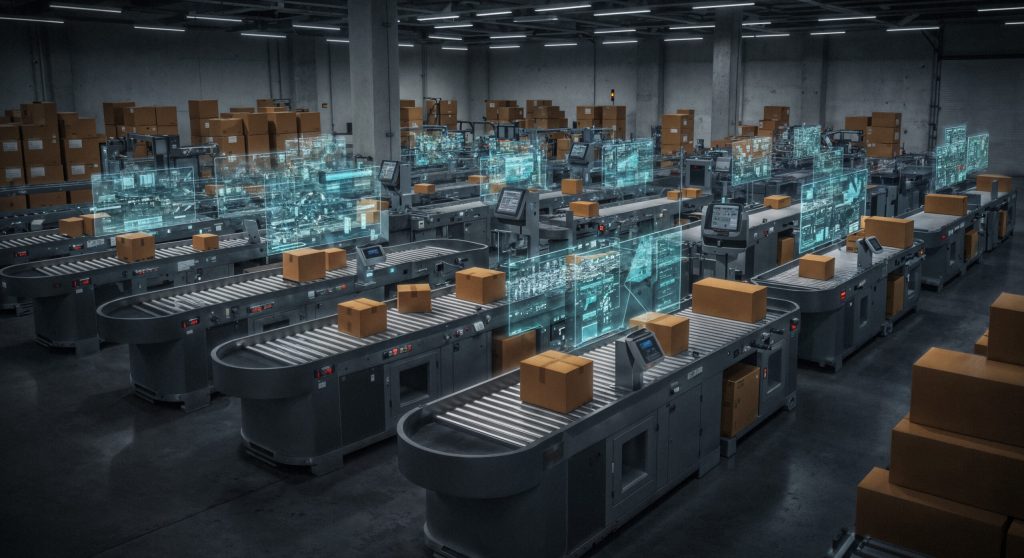
Warehouse automation software has shifted from optional to essential. By 2026, rising labor costs, the surge of multi-channel fulfillment, and pressure for faster delivery have pushed businesses to adopt smarter, more connected systems. This article explores what the best warehouse automation software looks like in 2026, the trends shaping the industry, and how businesses can choose a system that truly delivers results.
Why Best Warehouse Automation Softwares Are Accelerating Automation in 2026

Warehouses are processing more orders than ever, but hiring has not kept up. Automation is no longer just about reducing errors. it’s about enabling smaller teams to handle higher volumes efficiently.
Selling on Shopee, Lazada, TikTok, Shopify, and physical retail means stock must sync instantly. Without automation, warehouses face overselling, stockouts, and constant reconciliation work.
Consumers now expect same-day or next-day delivery. Automation software gives warehouses optimized picking, faster routing, and real-time visibility, making quick fulfillment possible.
What the Best Warehouse Automation Software Must Offer (2026 Standard)

Real-time, multi-location inventory accuracy
A 2026-ready system must update stock across all warehouses and channels within seconds. This eliminates manual reconciliation and gives managers the confidence to make purchasing and fulfillment decisions instantly.
Advanced barcode-directed workflows
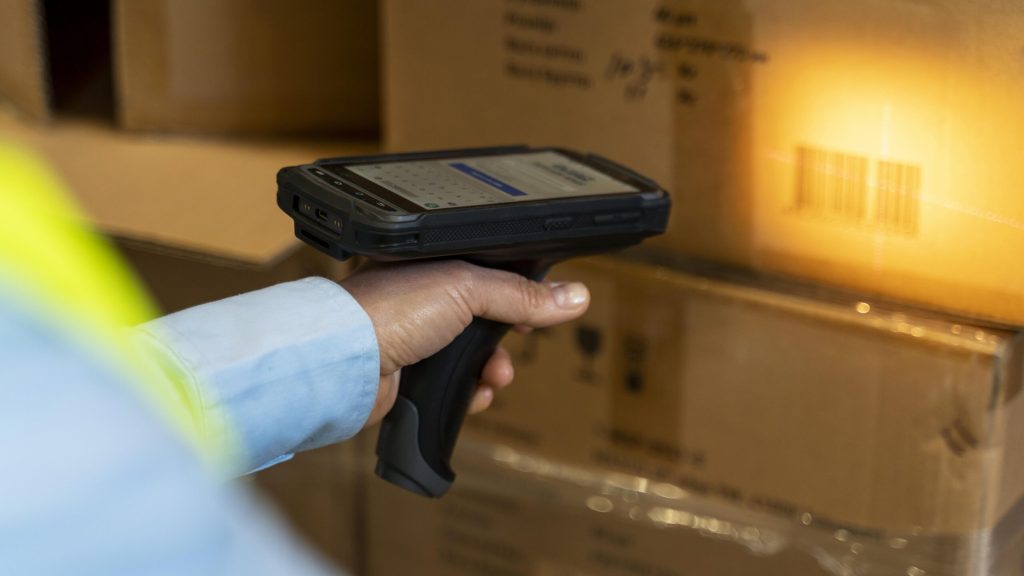
Barcode scanning is no longer optional — it’s the foundation of accurate picking, putaway, and cycle counting. Modern systems guide workers step-by-step, ensuring both speed and zero mistakes.

Predictive replenishment using data analytics
Instead of reacting to stockouts, the best systems learn your movement patterns and automatically trigger replenishment tasks to prevent shortages before they happen.

Automated order batching and routing
For fast-moving warehouses, systems must generate the most efficient picking path, combine similar orders, and shorten walking distance — improving throughput without needing more staff.
What Doesn’t Work in 2026 (Avoid These Mistakes! )
Using outdated systems with no marketplace integration
If your software cannot sync with eCommerce channels in real time, you’ll still handle manual updates — defeating the entire purpose of automation. This creates bottlenecks and increases error risks.
Choosing systems that are too complex for staff
Many warehouses purchase enterprise systems but fail to implement them because staff cannot operate them. The best warehouse automation software in 2026 is powerful but still user-friendly.
Running multiple disconnected tools
Using one system for picking, another for stock, and another for reporting leads to data inconsistency. A single, connected WMS environment is essential for accuracy and efficiency.
The Best Software Types for 2026

Full-featured WMS with automation capability
Ideal for growing warehouses needing everything from inventory control to optimized picking routes. These systems integrate with marketplaces and provide strong analytics.
Barcode automation systems (for smaller teams)
Affordable yet impactful, barcode systems reduce errors and increase speed without requiring a full WMS setup — perfect for smaller operations transitioning to automation.
ERP-integrated warehouse modules
For businesses that need finance + procurement + logistics in one ecosystem, ERP modules (like SAP EWM) offer end-to-end visibility but require higher investment.
How to Choose the Right Warehouse Automation Software in 2026
- Assess your current pain points
Are you struggling with picking errors, slow fulfillment, or inaccurate stock? Your challenges guide what features matter most.
- Estimate future volume growth
Don’t buy software for today’s order volume — buy for the next 12–24 months. Scalability is the key to avoiding another migration.
- Check integration capability
Your WMS must integrate with marketplaces, accounting systems, couriers, and POS. Automation is only effective when data flows seamlessly.

Conclusion & Contact Us
Warehouse automation in 2026 is not about chasing trendy technology — it’s about finding a system that delivers accuracy, speed, and long-term scalability.
The best warehouse automation software is the one that reduces operational friction, empowers your team, and creates a sustainable fulfillment engine.
Want expert advice on choosing the right warehouse automation system for 2026?
👉 Contact us for a tailored warehouse assessment.