How to Choose a Platform for Warehouse Management System Integration with ERP System in Philippines

Warehouse Management System Integration with ERP System is no longer a “nice-to-have” — but it’s the most growing businesses in Philippines that handle physical stock, orders, finance, and multi-channel sales, this integration becomes critical. Without it, you risk inventory discrepancies, delayed order fulfilment, manual data reconciliation, and financial reporting errors.
This guide helps you choose the right integrated platform. By the end, you’ll know what to evaluate, how to select, and how to implement efficiently.mala
Before You Start: What You Need to Prepare
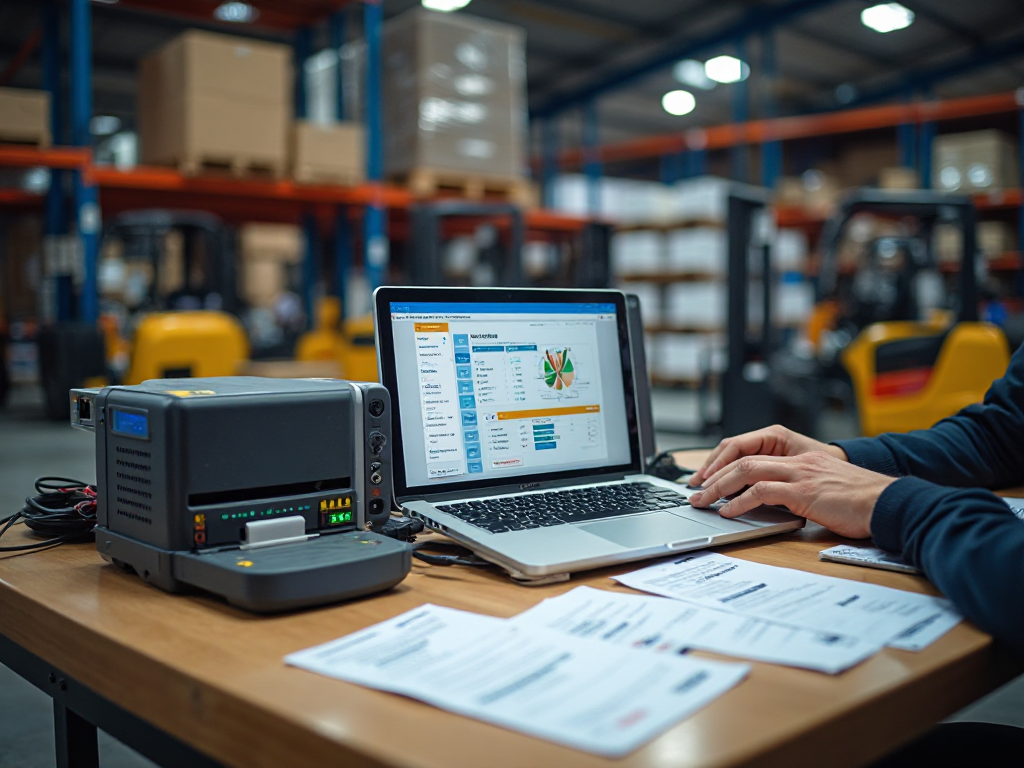
Before evaluating and selecting a platform for WMS–ERP integration, gather the following information and baseline data — this will help you match business needs with system capabilities accurately:
Current warehouse and sales data
- Number of SKUs (stock‑keeping units)
- Number of warehouse locations / total warehouses
- Average daily / monthly order volume (e-commerce, retail, wholesale)
- Whether you need batch tracking, expiry dates, or serial number tracking
Current software environment
- Do you already use an ERP (for example: local ERP like Autocount / SQL-based, or international ERP)?
Do you currently use WMS or only spreadsheets / manual process?
Number and type of sales / distribution channels (e.g., online marketplaces, direct e‑commerce, wholesale, etc.)
IT / manpower capacity and budget constraints
Do you have an in-house IT team or rely on external consultants?
What is your budget range (low / medium / high) for software subscription, licensing, integration, maintenance?
Integration & operational requirements
Do you need real-time, bi-directional data sync between WMS and ERP (e.g. stock, orders, finance)?
Do you expect growth in SKU count, warehouses or sales volume soon?
What local requirements (Malaysian tax / SST, local courier / shipping integration) you need?
Having clear answers to the above makes your evaluation more objective — saving time and reducing the risk of choosing the wrong solution.
Step-by-Step : Warehouse Management System Integration
Step 1: Identify the Type of Integration or Platform Model
There are three common WMS–ERP integration models:
ERP with built-in WMS — Suitable for businesses already using a full ERP suite.
Standalone WMS + ERP integration (API/plugin) — The most flexible and common option, especially for SMEs.
All-in-one cloud systems — Simple but less powerful; ideal for small operations.
Choose based on SKU volume, warehouse count, order traffic, and long-term scalability needs.
Step 2: Analyze Your Essential Functional Requirements
Before selecting any system, first and foremost, ensure the core capabilities align closely with your operational requirements. In particular, pay attention to the following essential functions:
- Real-time stock synchronization, so inventory data remains accurate across all channels
- Batch, expiry, and serial tracking, especially critical for regulated or fast-moving goods
- Multi-warehouse management system integration, enabling centralized visibility across locations
- Multi-channel sales integration, to prevent data silos between online and offline platforms
- Reliable API connectivity for local couriers and accounting tools, ensuring seamless workflow automation
- Efficient picking and packing workflows, which directly impact fulfillment speed and labor efficiency
- Support for Philippines tax and compliance requirements, reducing financial and regulatory risks
Moreover, industry requirements vary significantly.
For example, e-commerce and F&B sectors typically require batch control and real-time inventory updates, as stock accuracy directly affects customer experience and product compliance.
On the other hand, wholesale and distribution businesses often prioritize multi-warehouse coordination and ERP-level financial integration, since operational scale and margin control are key to profitability.
Step 3: Compare Platform Types and Solutions
Here’s a high-level comparison to guide your decision:
| Platform Type | Pros | Cons | Best For |
|---|---|---|---|
|
ERP with built-in WMS |
Unified data, fewer integrations needed |
May be less flexible; WMS features might be limited |
Businesses needing full ERP + moderate warehouse needs |
|
Separate WMS + ERP Integration |
Flexible, specialized WMS features, easier scalability |
Requires solid integration and possibly maintenance |
SMEs, growing e‑commerce, multi-channel sellers |
|
All-in-One Cloud Systems |
Quick setup, simple UI, minimal integration work |
May lack advanced WMS or ERP features |
Small businesses, simple inventory operations |
This structured comparison helps you shortlist based on what matters most — flexibility, functionality, scalability, or simplicity.
Step 4: Use Key Criteria to Evaluate Platforms
When evaluating any platform, start by assessing each option against a consistent set of strategic criteria to ensure objective comparison and informed decision-making:
- Functionality fit — First and foremost, determine how well the system aligns with your actual workflows, including order management, warehouse operations, and reporting needs.
- Integration reliability — Next, evaluate the speed and stability of data synchronization with key systems (e.g., marketplaces, couriers, accounting software). A reliable sync means fewer errors and faster processes.
- Cost structure — Then, analyze total ownership costs: subscription fees, implementation expenses, and any potential hidden charges (e.g., per-API call or support fees). This prevents budget surprises later.
- Scalability — Furthermore, consider whether the platform can support your future growth. Specifically, can it handle increased order volume, new sales channels, and expanded warehouse operations without performance degradation?
Local support & Philippines compliance — Finally, ensure the vendor offers strong local support and that the platform meets Philippines tax rules, invoicing regulations, and reporting requirements.
By applying these criteria consistently, you can compare platforms side-by-side and identify which option best balances current needs with long-term strategic fit.
Step 5: Follow Implementation Best Practices
To ensure a smooth rollout, a structured implementation approach is essential. Rather than rushing deployment, consider the following phased actions:
- First, clean and standardize your inventory data.
Before migration, remove duplicates, unify SKU naming conventions, and verify stock balances. Accurate data at the beginning prevents compounding errors later. - Next, start with a pilot warehouse or sales channel.
Instead of switching everything at once, begin with a controlled environment. This allows you to test real-world workflows while minimizing operational risk. - Then, map every operational process clearly — from receiving → putaway → picking → packing → shipping.
Document responsibilities, system touchpoints, and exception handling. Clear process mapping reduces confusion and shortens the learning curve. - After that, run both systems in parallel for 1–2 weeks.
Maintaining the old and new systems simultaneously enables cross-verification of stock data and order flows. This safety buffer helps detect discrepancies before full transition. - Finally, prepare detailed SOPs and conduct structured team training.
Technology adoption ultimately depends on people. Well-documented procedures and proper onboarding ensure long-term system utilization, not just system installation.
Common Mistakes to Avoid
Focusing only on price, ignoring functional depth — a cheap system may lack essential features like real-time sync or batch tracking; that often leads to operational headaches.
Underestimating the importance of real-time synchronization — delayed sync causes overselling, stockouts, accounting mismatches.
Choosing a WMS that isn’t compatible with your ERP or has weak integration APIs.
Not planning for scalability — selecting a system that works now but cannot handle growth in SKUs, warehouses, or channels.
Skipping proper data cleanup and migration planning — leads to messy data, duplicate SKUs, wrong stock levels.
Tips for Better Results
Use a scoring/matrix method — assign weights to criteria (functionality, cost, scalability, support) to score each candidate platform objectively.
Pilot first — test with one warehouse or sales channel, verify data flow end-to-end (order → pick → ship → accounting).
Treat integration as long-term infrastructure — plan not only for current needs but for 6–12 months growth (new marketplaces, more SKUs, more warehouses).
Insist on local compliance & support — having a vendor who understands local taxes, marketplaces, shipping and language reduces friction.
Sample Case: Warehouse Management System Integration
These real-world results demonstrate that proper Warehouse Management System Integration with ERP System delivers tangible benefits beyond theory.
My Viewpoint: Warehouse Management System Integration
In Philippines market, WMS–ERP integration is essential for any growing business.
As SKUs, order volume, and sales channels increase, manual processes become bottlenecks. Indeed early integration improves accuracy, reduces operational errors, and creates a scalable foundation.
Hence, a business aiming to grow within the next 3–5 years, I recommend a modular WMS + ERP integration setup, prioritizing platforms with strong APIs, real-time data capabilities, and reliable local support.

Conclusion: Warehouse Management System Integration
Integrating WMS with ERP is a necessary step for every growing business, as long as it reduces errors, improves inventory accuracy, enhances financial transparency, and builds a solid foundation for future expansion.
If you’re looking for a system that can deeply integrate with Philippines ERPs and support multi-channel and multi-warehouse operations, consider starting with a PayRecon demo to let your team experience the efficiency gains first-hand.
Not sure whether the system fits your business? Feel free to contact us — we can provide professional guidance based on your industry, inventory characteristics, and sales platform setup.