
Why Warehouse Operations Struggle to Scale During Growth

Why Warehouse Operations Cannot Scale: Common Warehouse Scalability Issues Explained

Common Warehouse Scalability Issues Explained

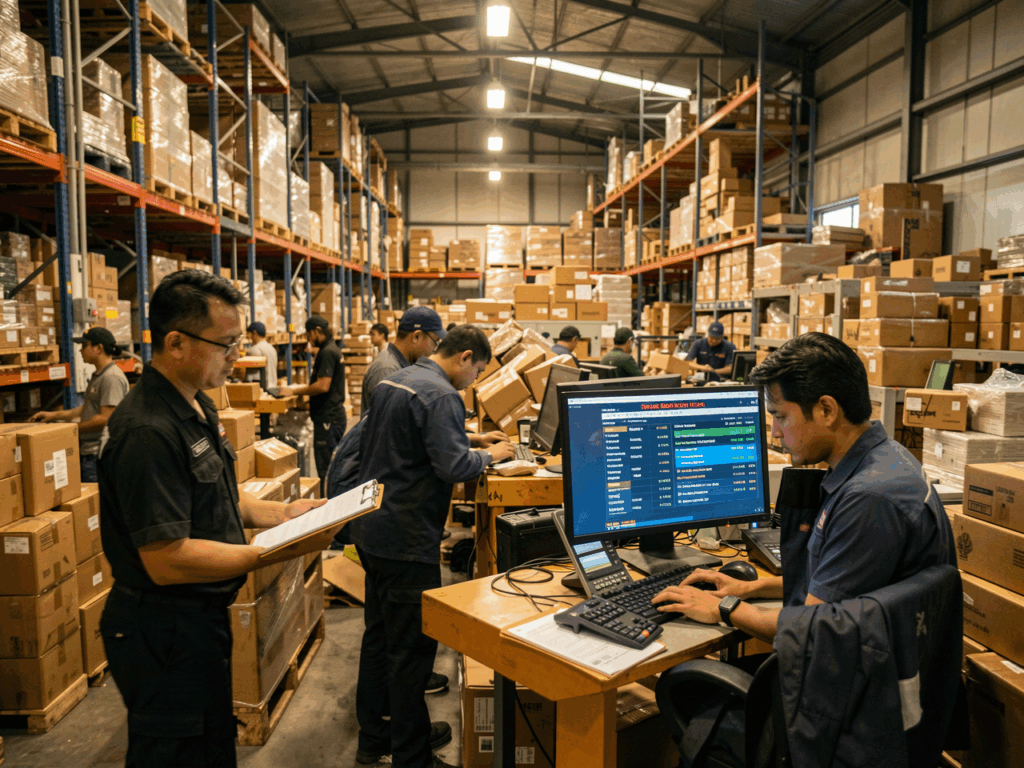
Many growing businesses soon run into warehouse scalability issues — where increasing order volumes don’t translate into smoother operations. Instead, processing times slow down, mistakes rise, and costs balloon. For warehouses in Philippines handling eCommerce spikes during campaigns like 11.11 or year-end festive rushes, these issues hit the bottom line hard: missed SLAs, unhappy customers, and shrinking margins.

Understanding these specific pain points is critical before you chase growth with more manpower or space.

Common Problems Caused by Warehouse Scalability Issues

When warehouses struggle to scale, several recurring operational issues emerge:

As SKU counts and daily order volumes rise, manual or semi-manual workflows can’t keep pace. Staff walk more, search more, and complete fewer orders per hour — a key symptom seen in warehouses with expanding SKU ranges. (Source)

Inventory records lag behind physical stock when the system doesn’t update in real time, leading to stockouts, overselling, or excess safety stock. (Source)

Adding workers becomes the default “solution,” but productivity per head often drops without efficient systems. Everyone walks more and does more double-checks — raising labor spend per order. (Source)

Without structured bin controls and data-driven location logic, warehouses feel “full” long before they should, wasting vertical and horizontal space. (Source)

Order fulfillment timelines stretch, and picking errors spike — both of which degrade customer satisfaction and brand reputation. (Source)

Why These Problems Happen (Root Causes)

Most warehouse scalability issues are not simply “bad luck” — they stem from structural gaps in processes and technology:

These gaps become amplified as order volumes grow — which is exactly when scalability should be strongest.

Signs Your Business Has This Problem

You likely have warehouse scalability issues if you see:

  • Longer fulfillment times compared to last quarter

  • Regular stock mismatches between physical and system counts

  • Frequent overtime or temporary staff just to “keep up”

  • Wasted storage space and chaotic bin location assignments

  • Increased customer complaints about delivery errors

These are not just “busy season” hiccups — they’re signals that underlying systems are not scaling with your business.

Solutions to Fix Warehouse Scalability Issues

Here are foundational steps every warehouse should take to reduce scalability friction:

Document and enforce best practices for receiving, putaway, picking, replenishment and packing.

Standardise Processes

Document and enforce best practices for receiving, putaway, picking, replenishment and packing.

Shipping Logistic Delivery Freight Cargo Concept Common Warehouse Scalability Issues

Real-Time Inventory Tracking

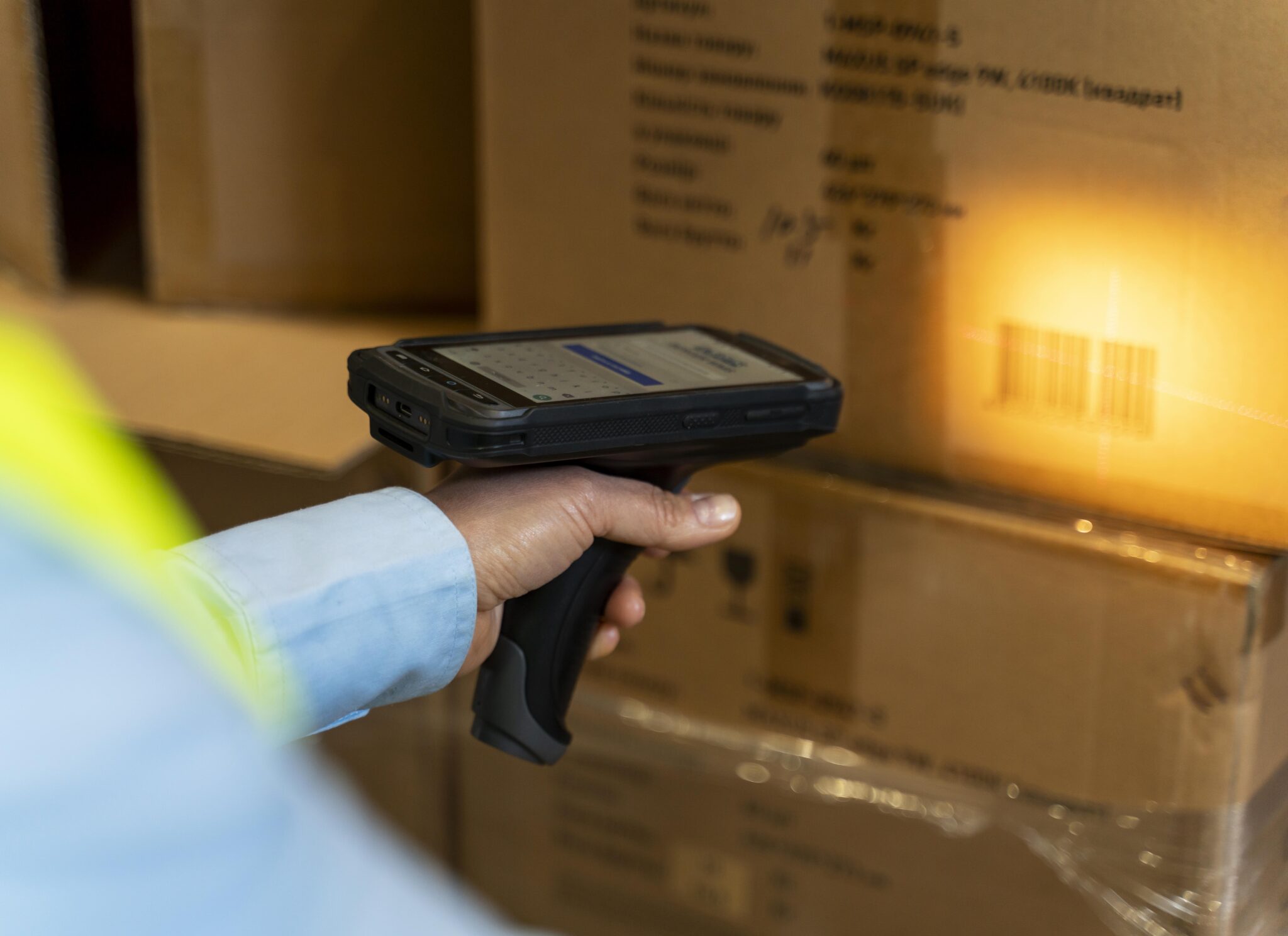
Move away from spreadsheets to tools that update stock as movements occur — with barcode or RFID support.

mplement rules that automate which orders get picked first

Task Prioritisation

Implement rules that automate which orders get picked first, especially during peak periods.
Use SKU velocity data to place fast movers in accessible slots Common Warehouse Scalability Issues

Data-Driven Space Optimization

Use SKU velocity data to place fast movers in accessible slots, reducing travel time for pickers.

Track picking accuracy, order cycle time, and inventory discrepancies

Measure KPIs

Track picking accuracy, order cycle time, and inventory discrepancies to identify systematic bottlenecks early.
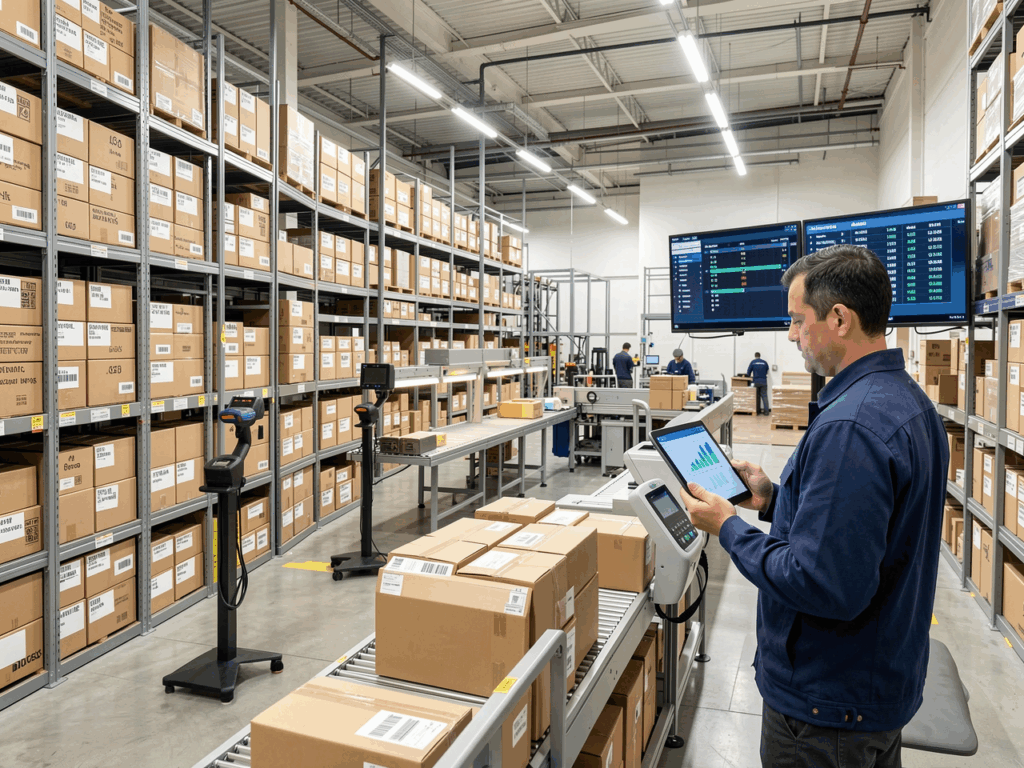
Scaling is less about adding resources and more about systemising efficiency.

How PayRecon Helps Solve This

PayRecon WMS is built to counter these exact warehouse scalability issues:

See stock levels update instantly across locations and channels — preventing overselling and stockouts.

Automated picking, putaway, and replenishment rules reduce errors and cycle times.

Assign tasks intelligently and measure performance — giving managers actionable insights.

Structured bin and zone logic improves space utilization and reduces unnecessary movement.

For Philippines SMEs and mid-sized sellers navigating rapid demand spikes — from Lazada and Shopee peak weeks to B2B wholesale growth — PayRecon turns scalability from a headache into a capability.

👉 Contact PayRecon to see how your warehouse can handle 2× or 5× order volume without proportional increases in cost or errors.

Common Warehouse Scalability Issues

Conclusion

Warehouse scalability issues can silently eat into profits and customer trust as your business grows — but they’re not inevitable. Identifying bottlenecks early and structuring your operations around real-time data and standardised workflows is crucial.

From my experience working with growing sellers across Philippines, warehouses that embrace real-time inventory systems and guided workflows not only survive growth — they thrive during peak seasons and multi-channel fulfillment challenges.

If you’re ready to turn your warehouse into a scalable engine for growth, contact PayRecon today to learn how they can help you solve these problems with real operational data, automation, and workflows tailored to your business.